
The Importance of ICS/SCADA Security Testing
ICS/SCADA Security Testing refers to the process of evaluating and securing Industrial Control Systems (ICS) and Supervisory Control and Data Acquisition (SCADA) systems, which are critical to the operation of industries such as manufacturing, energy, utilities, and transportation. These systems control and monitor physical processes like power generation, water treatment, and industrial automation. Given the increasing interconnectivity of these systems with enterprise networks and the internet, they have become targets for cyberattacks, making robust security testing essential.
Penetration testing, vulnerability assessments, and real-time monitoring are used to detect weaknesses and mitigate potential threats. As many ICS/SCADA systems rely on legacy technology that may lack modern security features, it’s critical to regularly test these systems to ensure they are resilient against evolving cyber threats. Effective security testing not only prevents data breaches and operational disruptions but also ensures compliance with industry regulations and helps maintain the safety of both employees and the public.
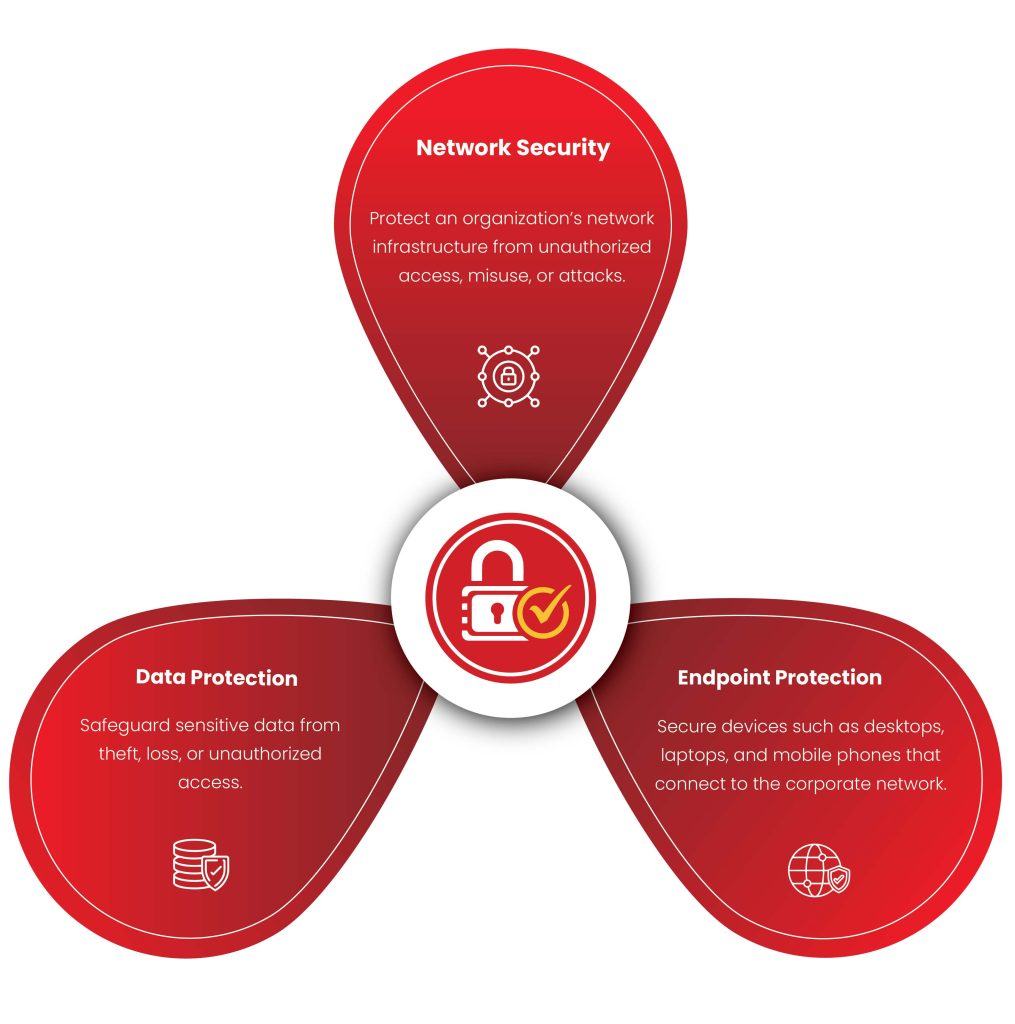
Key Aspects of ICS/SCADA Security Testing
Key Aspects of ICS/SCADA Security Testing focus on ensuring the protection and resilience of critical industrial systems against cyber threats. The primary goal of security testing for ICS/SCADA systems is to identify vulnerabilities that could lead to operational disruptions, data breaches, or safety risks. One key aspect is Network Security Testing, which examines how the ICS/SCADA system communicates over various network protocols. This testing ensures that communication channels are secure, and potential entry points for attackers are identified and mitigated. Another crucial area is Vulnerability Assessment, which involves scanning the system for weaknesses such as outdated software, insecure configurations, and missing patches that could be exploited by cybercriminals.
Access Control and Authentication are equally important, as ensuring that only authorized personnel can interact with critical systems is vital for preventing unauthorized access. This testing evaluates user authentication mechanisms, password strength, and the implementation of multi-factor authentication to safeguard sensitive operations. The Physical Security of ICS/SCADA infrastructure is also tested, ensuring that control rooms, remote sites, and hardware components are protected from unauthorized physical access that could compromise system integrity.
Expert Security, Trusted Solutions

We specialize in delivering robust cybersecurity solutions with precision and expertise. From comprehensive assessments to 24/7 monitoring and incident response, our team is committed to safeguarding your business. We understand the unique security needs of each client and work closely to design tailored solutions that protect your digital assets. Whether it’s conducting penetration testing, ensuring regulatory compliance, or providing employee training, Cybivalue is your trusted partner in cybersecurity. Let us handle the complexities of security so you can focus on what matters most—growing your business with confidence.
What makes us special & Why clients choose us?
Projects completed
International Standards
Success Rate
Global Presence
Overview of Critical Cybersecurity Services

1. Network
Security
Protects the network infrastructure from attacks, ensuring that only authorized users can access systems and data.

2. Data
Protection
Involves safeguarding sensitive data from breaches, ensuring confidentiality, integrity, and availability.

3. Incident
Response
A service that focuses on responding to and mitigating the damage caused by cybersecurity incidents or breaches.

4. Cloud
Security
Cloud Security Ensures that data and services hosted on the cloud are secure from potential threats.
Challenges in ICS/SCADA Security Testing
Legacy Systems
Legacy Systems in the context of ICS/SCADA security refer to older industrial control systems that were designed and deployed long before modern cybersecurity threats were fully understood. These systems, which often run on outdated hardware and software, pose significant challenges to organizations aiming to protect critical infrastructure. Many legacy ICS/SCADA systems were not built with cybersecurity in mind, and therefore, they lack essential security features like encryption, robust access controls, or regular software updates. As a result, these systems are highly vulnerable to cyberattacks, especially when they are connected to modern networks or the internet.
One of the main issues with legacy systems is incompatibility with new security technologies. Due to their outdated architecture, it can be difficult to integrate them with modern security solutions such as firewalls, intrusion detection systems (IDS), or real-time monitoring tools. Additionally, manufacturers may no longer support or provide patches for legacy devices, leaving these systems susceptible to known vulnerabilities. Another significant concern is the difficulty in updating or replacing these systems, as many are embedded in critical infrastructure where downtime can result in severe financial losses or safety risks.


Real-Time Constraints
Real-Time Constraints are a significant challenge in ICS/SCADA security testing, as these systems are designed to operate in real-time to control and monitor critical industrial processes. The nature of these systems requires immediate, continuous processing to ensure the smooth functioning of operations such as power generation, water treatment, and manufacturing. Any delay or interruption in the system’s performance can lead to operational failures, safety hazards, and financial losses. Therefore, security testing must be carefully planned to avoid disrupting normal operations.
One of the main issues with real-time constraints is the difficulty in performing intrusive testing without affecting the system’s functionality. Penetration tests and vulnerability assessments often involve simulated attacks or stress testing, which can introduce delays, slowdowns, or crashes in a real-time environment. Such disruptions could cause critical processes to halt or produce inaccurate readings, which could impact decision-making or even compromise safety protocols.
Limited Visibility
Limited Visibility is a major challenge in ICS/SCADA security, as these systems are often isolated or segmented from other IT networks, making it difficult to monitor and detect potential cyber threats. Many ICS/SCADA environments operate in closed networks with minimal interaction with external systems, which can limit the scope of traditional security tools and monitoring techniques. As a result, organizations often have limited insight into network traffic, device status, and system vulnerabilities, making it challenging to identify potential security breaches or ongoing cyberattacks in real-time.
The lack of integration between ICS/SCADA networks and enterprise IT systems is another issue. Security tools such as Security Information and Event Management (SIEM) systems, intrusion detection systems (IDS), or centralized monitoring platforms may not have access to the data generated by ICS/SCADA components due to network segmentation or proprietary communication protocols. This makes it harder to detect suspicious activities or anomalies that could indicate an attempted attack, such as unauthorized access or communication from compromised devices.


Managing Third-Party Risks in ICS/SCADA Systems
ICS/SCADA Security Testing is the Complex Integration with Third-Party Components. Many ICS/SCADA systems rely on third-party software, hardware, and services for functionality, ranging from sensors and actuators to external communication networks and cloud platforms. These third-party components, while essential for efficient system operations, can introduce significant security risks. Third-party vendors may not always follow the same security standards or best practices, which can lead to vulnerabilities within the ICS/SCADA environment.
For example, vulnerabilities in a third-party device’s firmware or software could provide a pathway for cybercriminals to compromise the entire system. Additionally, updates or patches for third-party components might not be regularly tested or integrated into the ICS/SCADA environment, potentially leaving known vulnerabilities unaddressed. Integrating and ensuring compatibility between various third-party systems can also lead to inconsistencies in security policies, further complicating efforts to maintain a secure environment.