
The Role of Vulnerability Assessment & Penetration Testing
Vulnerability Assessment & Penetration Testing are essential components of a comprehensive cybersecurity strategy for ICS/SCADA systems. Both play a crucial role in identifying weaknesses, evaluating potential threats, and strengthening the overall security posture of industrial control systems.
A Vulnerability Assessment involves a systematic process of identifying, analyzing, and evaluating vulnerabilities within the ICS/SCADA infrastructure. This assessment focuses on discovering flaws or weaknesses in the system’s hardware, software, network configurations, or communication protocols that could be exploited by attackers. The goal is to identify known vulnerabilities, such as outdated software, misconfigurations, unpatched systems, or weak access controls, and prioritize them based on the potential risk they pose to the organization. Vulnerability assessments help organizations stay proactive in addressing security issues before they can be exploited, reducing the likelihood of a breach or compromise.
On the other hand, Penetration Testing goes a step further by simulating a real-world cyberattack to exploit the identified vulnerabilities and assess how well the system responds under pressure. The testing process mimics how a malicious actor might attempt to infiltrate the system, gain unauthorized access, or disrupt operations.
The Importance of VAPT in Critical Industries
In today’s increasingly interconnected world, cybersecurity is paramount for protecting critical infrastructure and sensitive data across various industries. Vulnerability Assessment and Penetration Testing (VAPT) play a crucial role in safeguarding industries that are vital to national security, public safety, and the economy. These industries include ICS/SCADA systems, healthcare, finance, energy, and government services, where a breach or system failure could have far-reaching consequences.
For ICS/SCADA systems, which control essential services like power grids, water treatment plants, and industrial automation, the risks of cyberattacks are particularly high. A successful attack could disrupt the flow of electricity, water, or gas, causing widespread outages or potentially endangering public safety. VAPT helps identify vulnerabilities in the devices, networks, and communication protocols that control these systems, allowing organizations to patch them before they can be exploited by attackers. Regular testing ensures that these critical systems remain resilient to threats and continue to operate smoothly, even as new vulnerabilities emerge.
In the healthcare industry, securing patient data and medical devices is essential for maintaining privacy and trust. Cybercriminals targeting healthcare organizations can access sensitive personal information, potentially leading to identity theft, financial fraud, or even compromising patient safety through tampered medical devices. VAPT helps healthcare organizations identify and fix security flaws in their IT infrastructure, medical devices, and networked systems.
Expert Security, Trusted Solutions
We specialize in delivering robust cybersecurity solutions with precision and expertise. From comprehensive assessments to 24/7 monitoring and incident response, our team is committed to safeguarding your business. We understand the unique security needs of each client and work closely to design tailored solutions that protect your digital assets. Whether it’s conducting penetration testing, ensuring regulatory compliance, or providing employee training, Cybivalue is your trusted partner in cybersecurity. Let us handle the complexities of security so you can focus on what matters most—growing your business with confidence.
What makes us special & Why clients choose us?
Projects completed
International Standards
Success Rate
Global Presence
Overview of Critical Cybersecurity Services
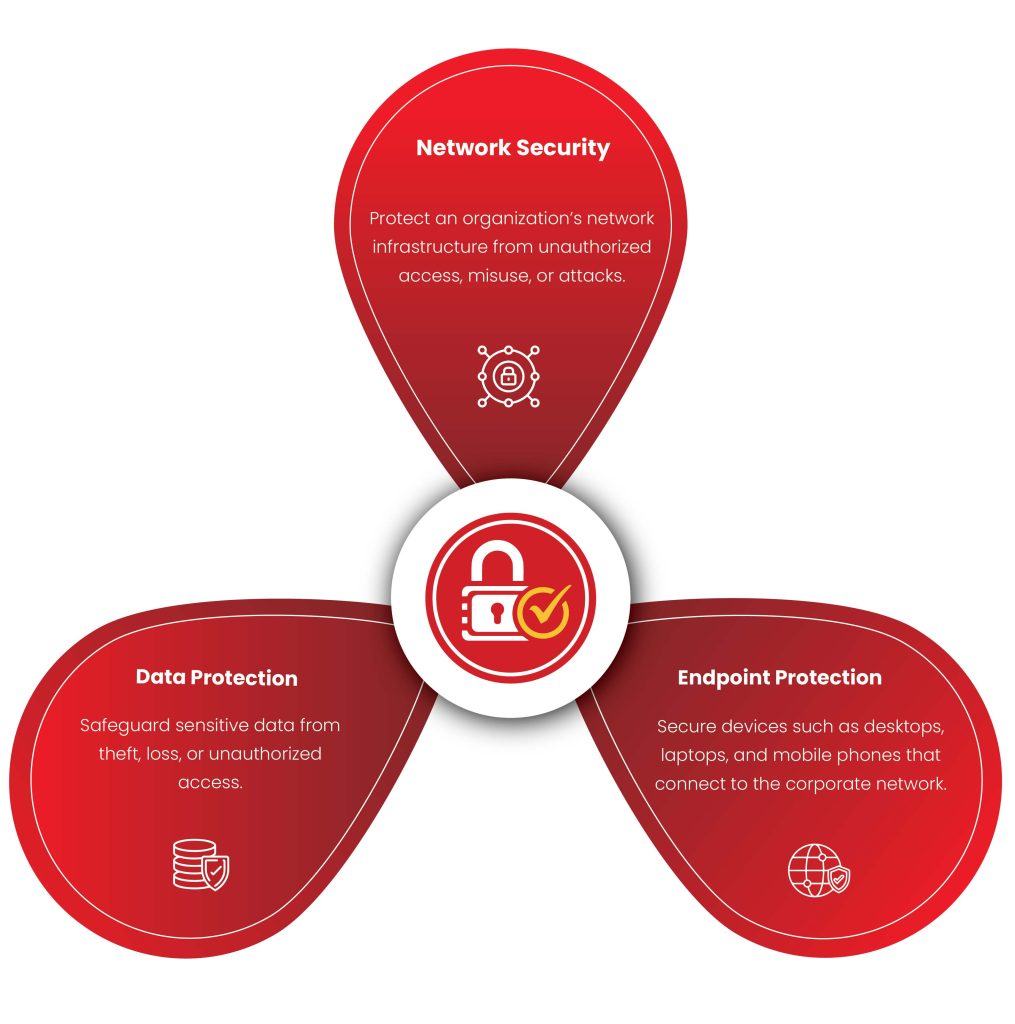
1. Network
Security
Protects the network infrastructure from attacks, ensuring that only authorized users can access systems and data.

2. Data
Protection
Involves safeguarding sensitive data from breaches, ensuring confidentiality, integrity, and availability.

3. Incident
Response
A service that focuses on responding to and mitigating the damage caused by cybersecurity incidents or breaches.

4. Cloud
Security
Cloud Security Ensures that data and services hosted on the cloud are secure from potential threats.
The Synergy of Vulnerability Assessment & Penetration Testing
Identifying the Full Range of Vulnerabilities
Identifying the full range of vulnerabilities within an organization’s infrastructure is crucial for maintaining a robust cybersecurity posture. Often, organizations may overlook potential risks, leaving critical systems exposed to cyber threats. A comprehensive approach to identifying vulnerabilities involves more than just scanning for known weaknesses— it requires a holistic assessment that includes not only technical flaws but also process and human-related vulnerabilities.
Vulnerability assessments and penetration testing help organizations uncover the entire spectrum of security gaps that could be exploited by attackers.
The goal of identifying the full range of vulnerabilities is to ensure that all potential entry points are discovered and addressed. Vulnerability assessments often use automated scanning tools to identify known risks, while penetration testing goes further by simulating actual attack scenarios to discover more subtle, hidden vulnerabilities that automated tools may miss.


Holistic Security Posture
A holistic security posture represents a comprehensive, multi-dimensional approach to cybersecurity that addresses every aspect of an organization’s infrastructure, operations, and culture. Unlike isolated security measures that focus on specific vulnerabilities or threats, a holistic security posture integrates all security practices into a unified strategy to ensure overall protection. This approach ensures that security is embedded throughout the organization, from technology to personnel, and is designed to adapt to the evolving threat landscape.
One of the primary components of a holistic security posture is defense in depth—a layered security model that provides multiple levels of defense across the network. This could include firewalls, intrusion detection systems, secure coding practices, strong authentication mechanisms, encryption, and regular vulnerability assessments.
Enhanced Incident Response
Enhanced incident response is a critical component of an organization’s cybersecurity strategy. It involves the ability to detect, respond to, and recover from security incidents quickly and effectively, minimizing damage, protecting critical data, and ensuring business continuity. In today’s ever-evolving threat landscape, where cyberattacks are becoming increasingly sophisticated, a reactive approach to security is no longer sufficient. Instead, organizations need a well-defined, proactive, and scalable incident response framework that can address the complexity and variety of threats they may face.
The foundation of an enhanced incident response strategy lies in early detection and rapid identification. Early detection allows organizations to recognize potential threats before they escalate into major incidents. This can be achieved through continuous monitoring of networks, endpoints, and systems, using advanced threat detection tools such as intrusion detection systems (IDS), Security Information and Event Management (SIEM) platforms, and real-time alerts. The quicker an organization can detect malicious activity, the faster it can respond to mitigate its impact.


Minimized Risk
Minimizing risk is at the heart of any effective cybersecurity strategy. In the context of organizational security, minimized risk refers to reducing the likelihood and impact of potential threats and vulnerabilities that could compromise the organization’s systems, data, and operations. A proactive approach to minimizing risk involves identifying, assessing, and mitigating threats before they can cause significant damage.
One of the first steps in minimizing risk is performing regular risk assessments. This process involves identifying critical assets, understanding potential threats, and evaluating vulnerabilities that could be exploited by cybercriminals or malicious insiders. By regularly assessing the security landscape, organizations can gain a clear understanding of their exposure to various risks and can prioritize actions to mitigate those risks.
The next key component is the implementation of preventive controls. These controls aim to block threats before they can reach sensitive systems. For example, deploying firewalls, intrusion detection/prevention systems (IDS/IPS), encryption protocols, and secure authentication methods can significantly reduce the chances of a cyberattack.