
Understanding Wireless Penetration Testing
Wireless penetration testing involves evaluating the security of wireless networks to identify vulnerabilities that could be exploited by attackers. As more businesses and individuals rely on Wi-Fi networks for communication, data transfer, and internet access, securing these networks is critical to prevent unauthorized access and data breaches. Wireless networks, due to their nature, are susceptible to various types of attacks, including unauthorized access, eavesdropping, and man-in-the-middle (MitM) attacks.
During a wireless penetration test, ethical hackers simulate real-world attacks on a wireless network to assess its security posture. One of the first steps is to analyze the wireless network’s configuration and encryption protocols.
Penetration testers also assess the access control mechanisms of the wireless network, ensuring that only authorized devices and users are allowed to connect. This involves testing for issues such as weak passwords for router access, insecure default settings, or vulnerable management interfaces that attackers can exploit to gain control of the network. This includes testing whether strong encryption standards like WPA2 or WPA3 are in place to protect sensitive data transmitted over the network. Weak encryption, or no encryption at all, can allow attackers to easily intercept and access data in transit, which is a major security concern.
Importance of Wireless Penetration Testing
Wireless networks are an essential part of modern communication infrastructure, powering everything from home networks to corporate environments and public services. However, with the increasing reliance on wireless communication comes a heightened risk of cyber threats targeting these networks. Wireless Penetration Testing (Wireless Pentesting) is a crucial security practice that helps identify and address vulnerabilities in wireless systems, ensuring the protection of sensitive data and maintaining the integrity of network services.
One of the primary reasons for conducting wireless penetration testing is to protect sensitive data. Wireless networks are more susceptible to eavesdropping and unauthorized access compared to wired networks, as the signals can be intercepted over the air by anyone within range. Penetration testers simulate attacks to identify weak encryption protocols, insecure configurations, and areas where sensitive data such as passwords, personal information, and financial data may be exposed.
Wireless Penetration Testing is essential for identifying potential weaknesses in a network’s design, configuration, and security protocols. These weaknesses can stem from poorly configured access points, outdated encryption methods (like WEP), or default credentials that may leave the network vulnerable to attacks. Through systematic testing, penetration testers can simulate various attack methods, such as deauthentication, jamming, and brute force attacks, to uncover gaps in the network’s security posture.
Expert Security, Trusted Solutions

We specialize in delivering robust cybersecurity solutions with precision and expertise. From comprehensive assessments to 24/7 monitoring and incident response, our team is committed to safeguarding your business. We understand the unique security needs of each client and work closely to design tailored solutions that protect your digital assets. Whether it’s conducting penetration testing, ensuring regulatory compliance, or providing employee training, Cybivalue is your trusted partner in cybersecurity. Let us handle the complexities of security so you can focus on what matters most—growing your business with confidence.
What makes us special & Why clients choose us?
Projects completed
International Standards
Success Rate
Global Presence
Overview of Critical Cybersecurity Services

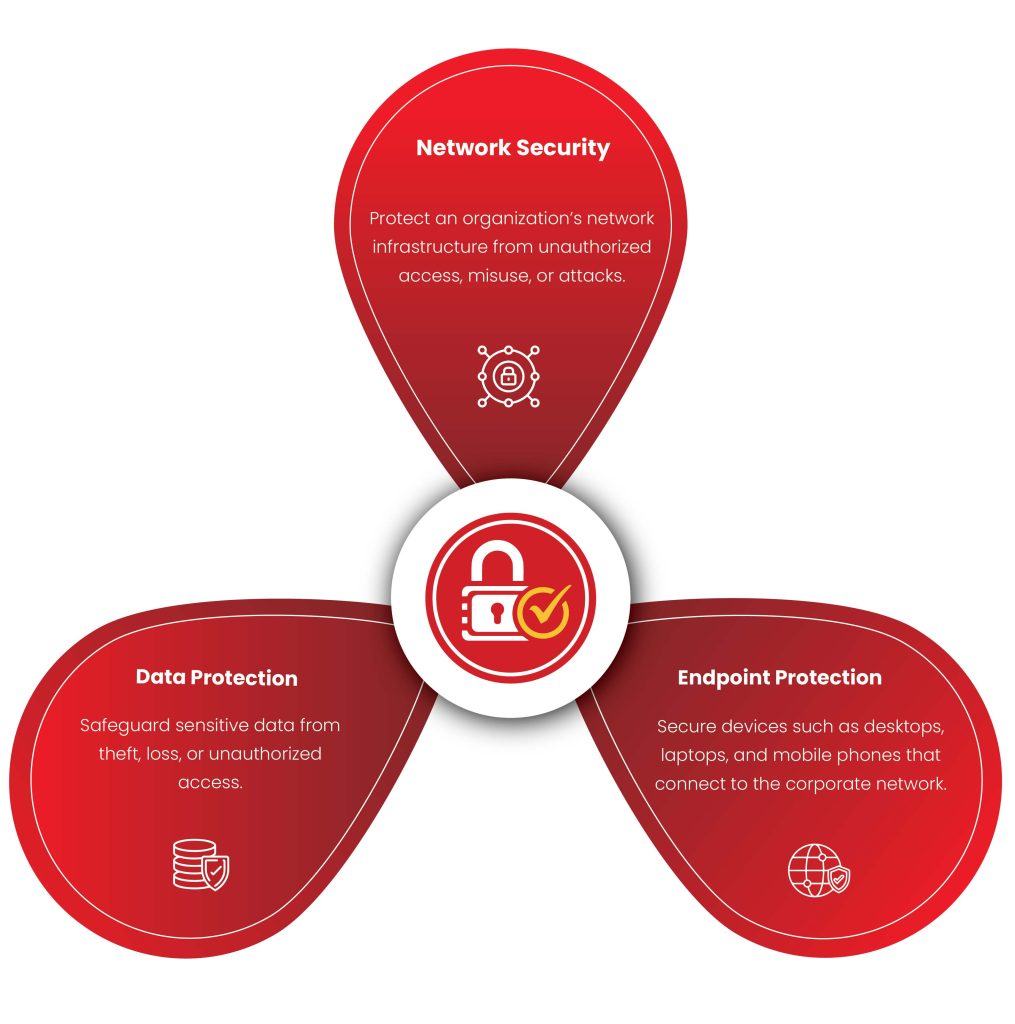
1. Network
Security
Protects the network infrastructure from attacks, ensuring that only authorized users can access systems and data.

2. Data
Protection
Involves safeguarding sensitive data from breaches, ensuring confidentiality, integrity, and availability.

3. Incident
Response
A service that focuses on responding to and mitigating the damage caused by cybersecurity incidents or breaches.

4. Cloud
Security
Cloud Security Ensures that data and services hosted on the cloud are secure from potential threats.
Key Areas of Focus in Wireless Penetration Testing
Network Configuration and Encryption
Network configuration and encryption are critical aspects of wireless network security, ensuring that the network is both securely set up and that the data being transmitted is properly protected. Poorly configured networks or weak encryption can lead to unauthorized access, data theft, and security breaches, making it essential for organizations to conduct thorough penetration testing to identify and address these vulnerabilities.
In wireless penetration testing, the first priority is to evaluate the network configuration. This involves reviewing the setup of wireless access points and routers, ensuring that weak default settings are changed and that the SSID (Service Set Identifier) is not easily guessable. Penetration testers also assess the channel selection to ensure the network is not vulnerable to interference or jamming attacks.
Equally important is the encryption used to secure the wireless network. WEP (Wired Equivalent Privacy) is an outdated and insecure protocol, and if it is detected, immediate remediation is required. Modern networks should utilize WPA2 or the more secure WPA3 standards, both of which provide strong encryption to protect data in transit.


Authentication and Access Control
Authentication is the process of verifying the identity of users or devices trying to access a wireless network. It ensures that only legitimate users or devices are allowed to connect. In wireless networks, common authentication methods include WPA2-PSK (Pre-shared Key), WPA2-Enterprise, and EAP (Extensible Authentication Protocol). Penetration testers evaluate the strength of these authentication methods by simulating attacks such as brute-force or dictionary attacks to crack weak or easily guessable passwords. Weak authentication practices, such as using simple passwords or weak passphrases, are red flags for testers, as they make it easier for attackers to bypass authentication.
In addition to password strength, two-factor authentication (2FA) can be evaluated in enterprise networks. This adds an extra layer of security by requiring users to provide a second form of verification, such as a one-time password (OTP) sent via SMS or email, or a biometric factor like a fingerprint. Penetration testers assess if these advanced authentication measures are properly implemented and configured.
Signal Interception and Rogue Access Points
Signal interception occurs when an attacker captures wireless signals traveling through the air between devices and access points (APs). Wireless networks transmit data using radio frequencies, which can be easily intercepted by anyone within range using relatively simple tools. Attackers can intercept sensitive information such as login credentials, personal messages, financial transactions, and other confidential data if the network communication is not properly encrypted.
Penetration testers simulate Man-in-the-Middle (MitM) attacks to intercept the traffic between wireless devices and the AP. They focus on detecting weak or outdated encryption protocols, such as WEP (Wired Equivalent Privacy), which can be cracked within minutes, exposing the network to interception. The latest encryption standards, such as WPA2 (Wi-Fi Protected Access 2) or WPA3, provide stronger security and are recommended to mitigate this threat.


Denial-of-Service (DoS) Attacks
A Denial-of-Service (DoS) attack occurs when an attacker floods a network, server, or service with excessive requests, overwhelming it to the point where it becomes unavailable to legitimate users. The goal is not to steal data or gain unauthorized access but to cause a temporary or sustained disruption, rendering the network or service unusable.
For wireless networks, DoS attacks typically target the availability of the network, aiming to prevent users from connecting or maintain a stable connection. Distributed Denial-of-Service (DDoS) attacks, a more advanced form, involve multiple sources of traffic (often using botnets), making it even harder to defend against, as the attack traffic comes from various locations simultaneously.
Denial-of-Service (DoS) attacks are a critical threat to wireless networks, designed to disrupt or completely prevent legitimate users from accessing network resources. In wireless penetration testing, evaluating the network’s resilience against DoS attacks is crucial to ensuring that a network.